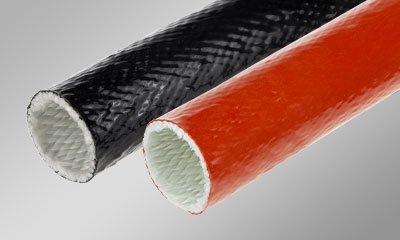


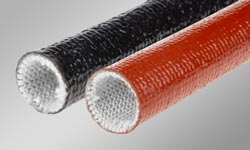

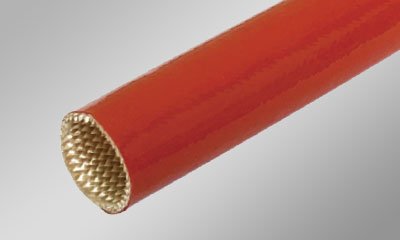
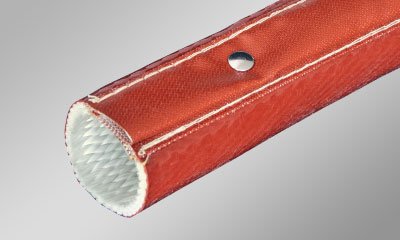

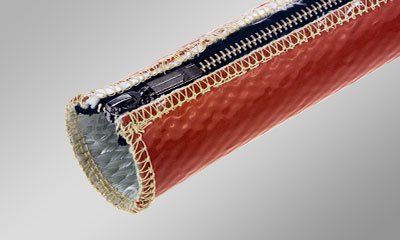
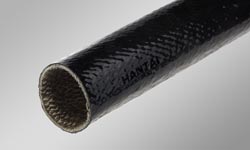
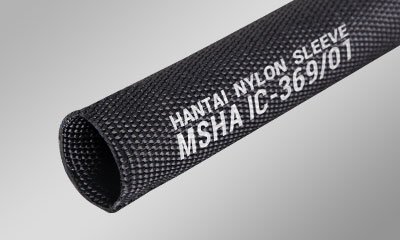

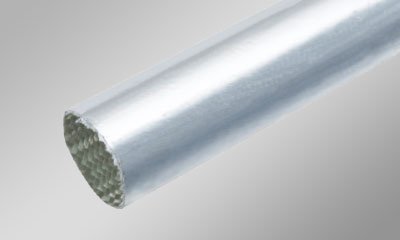
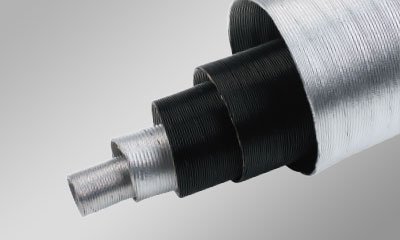
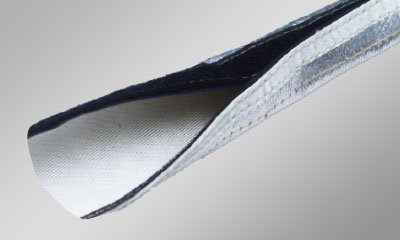
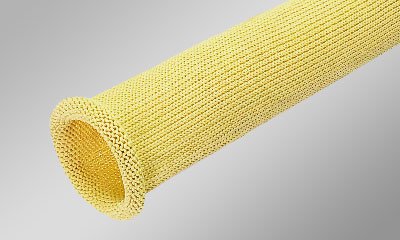

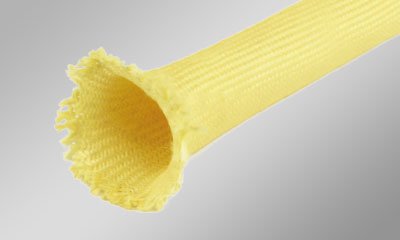
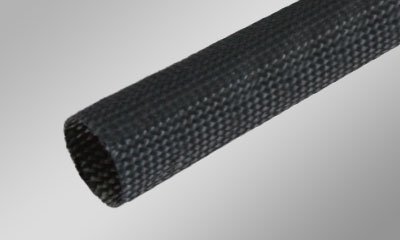
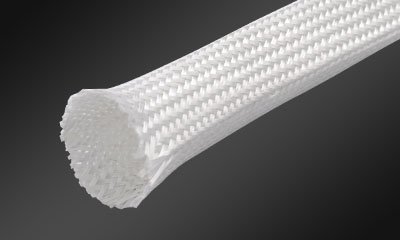

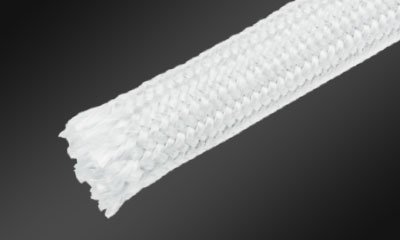
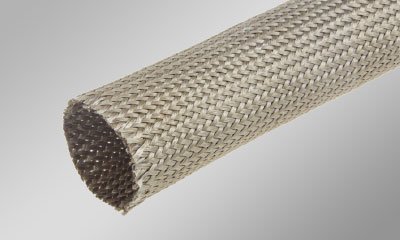
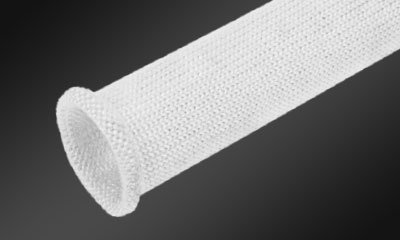
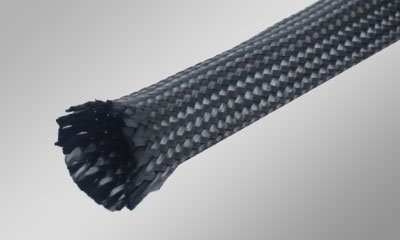
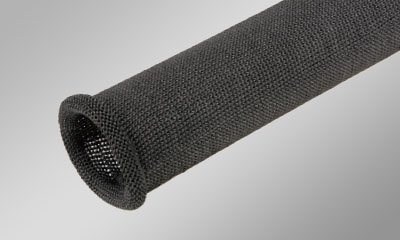


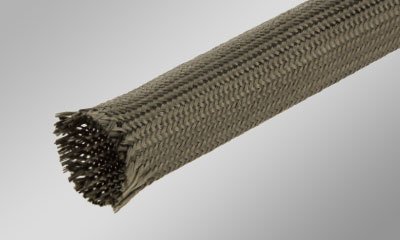


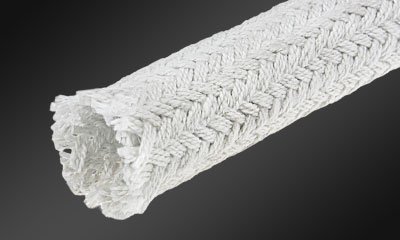
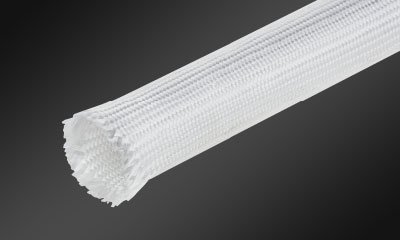

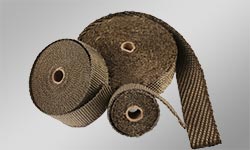
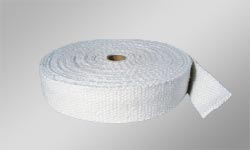
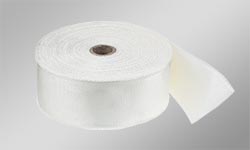
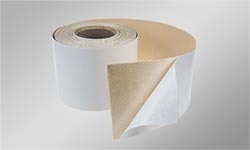
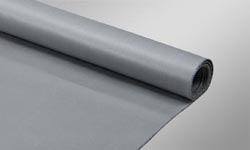
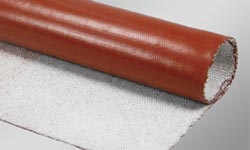
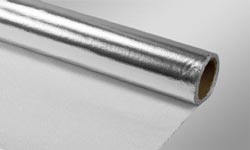
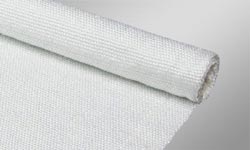
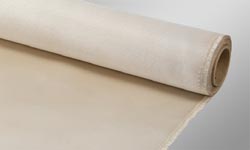
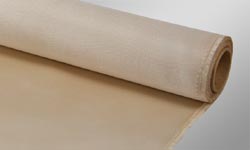
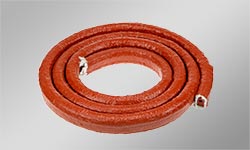
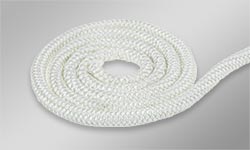
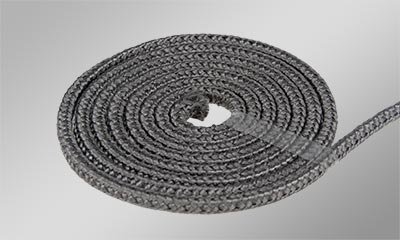


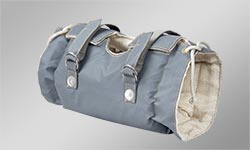
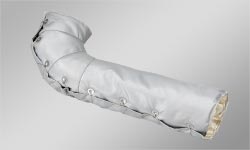
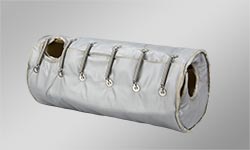
Firesleeve is designed to protect hydraulic hoses, cables and industrial components from extreme heat, flames, molten splash, chemicals and abrasion.
However, firesleeves with similar appearances may show completely different performance under extreme temperatures.
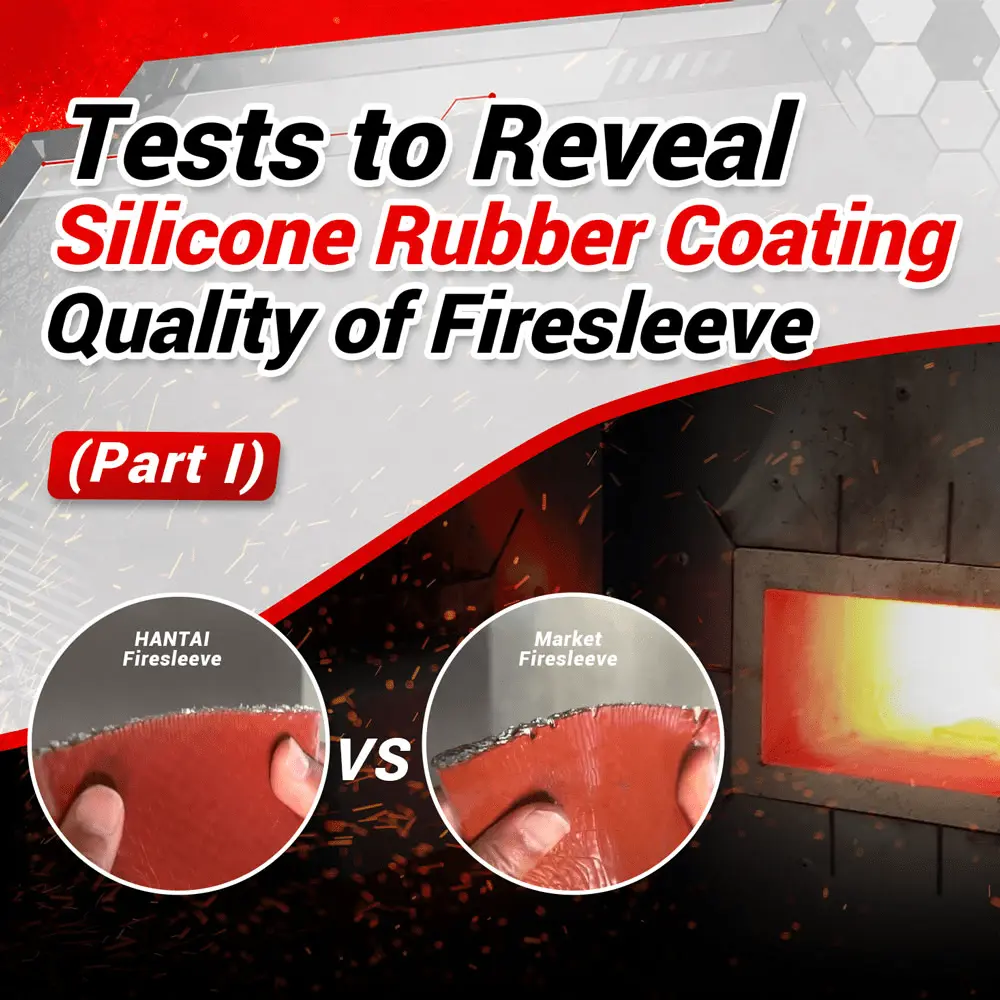
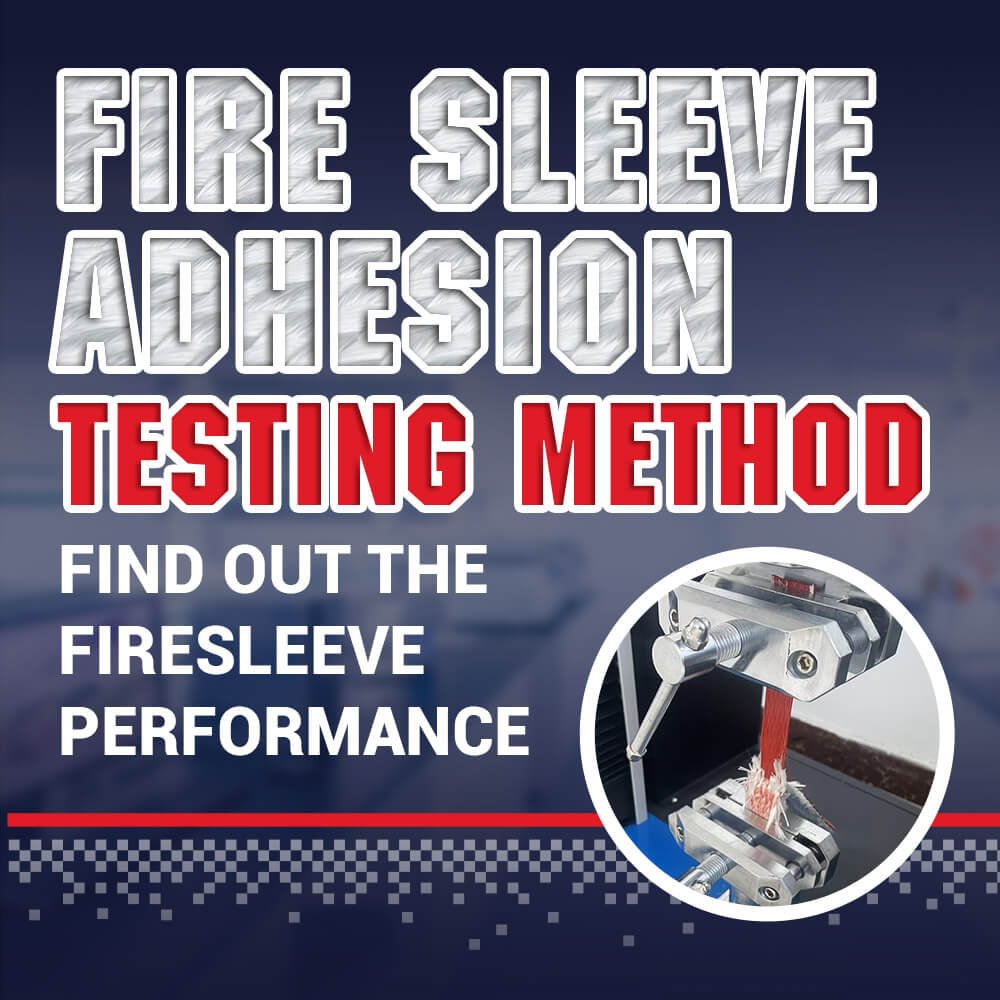
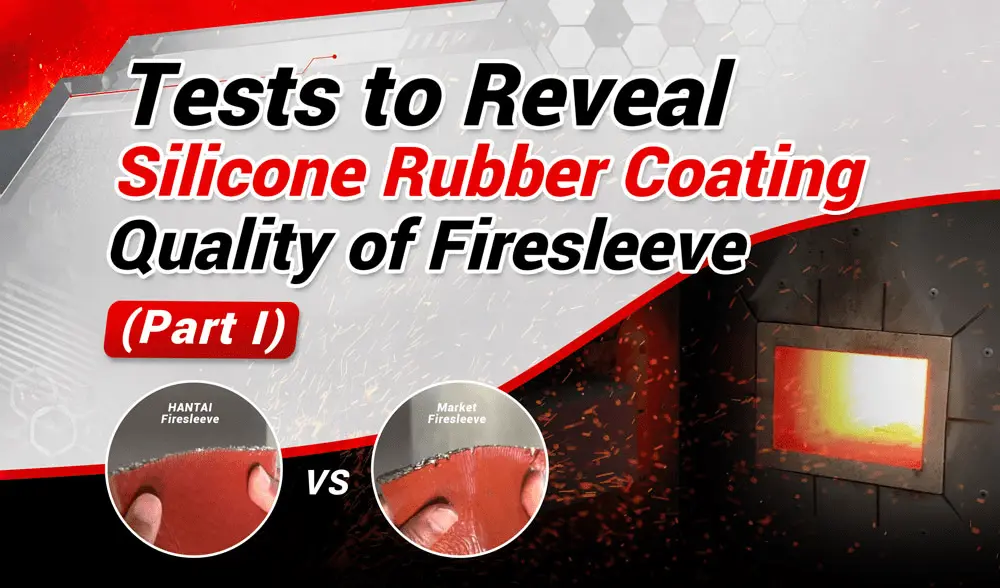
In this article, HANTAI conducts a 350°C muffle furnace exposure test to compare the silicone rubber coating quality, coating adhesion and tensile strength performance between HANTAI Firesleeve and a market-sourced firesleeve sample.
· Why Silicone Rubber Coating Quality Matters for Firesleeve
As known to all, fire sleeve is made by fiberglass sleeve with silicone rubber coating. The silicone rubber coating serves as the front-line barrier against molten splash, flames, extreme heat, chemicals, abrasion and tearing, its quality directly affects the overall performance of the firesleeve.
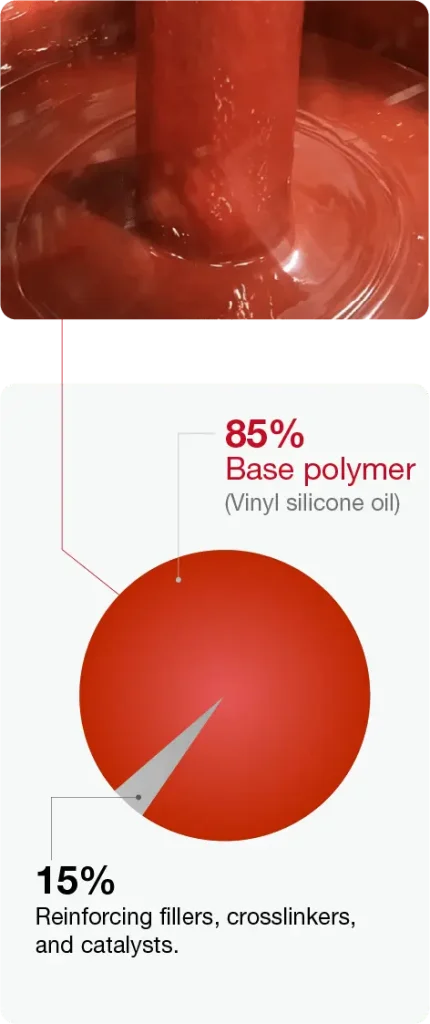
In China, Liquid Silicone Rubber (LSR) is commonly used for firesleeve coatings. A typical LSR formulation contains roughly 85% base polymer (vinyl silicone oil) and 15% reinforcing fillers, crosslinkers, and catalysts. When the base polymer purity drops or the filler balance tips, key properties — thermal stability, tensile strength, flame retardancy, thermal conductivity, chemical and weather resistance —all degrade. Even minor formulation deviations become magnified significantly under extreme operating conditions.
HANTAI, as the largest and most professional firesleeve manufacturer in China, has developed its own proprietary compound formulas to ensure consistent, high quality performance.
To show you exactly what it means in practice, we carried out one straightforward but revealing evaluation — Muffle Furnace Exposure. The results speak for themselves.
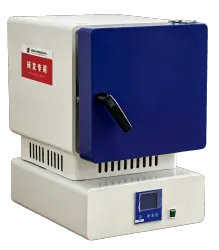

Muffle Furnace Exposure – 350°C for 10 Minutes
A HANTAI firesleeve sample and a market-sourced sample (named “Market Firesleeve”) were selected for this test.
At room temperature, both samples, with same ID, looked similar and exhibited good tensile strength.
Both samples were placed in a furnace at 350°C for 10 minutes. After removal, they were examined for changes in silicone coating appearance and tensile strength.
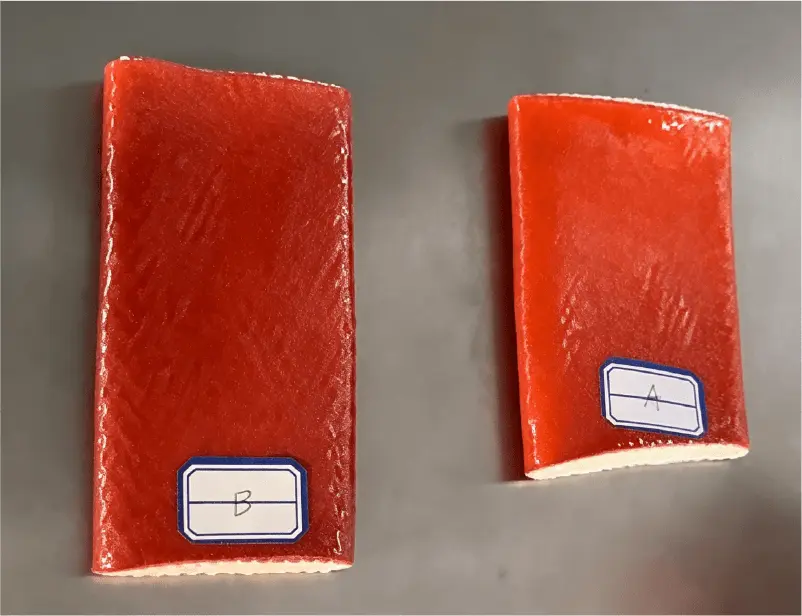
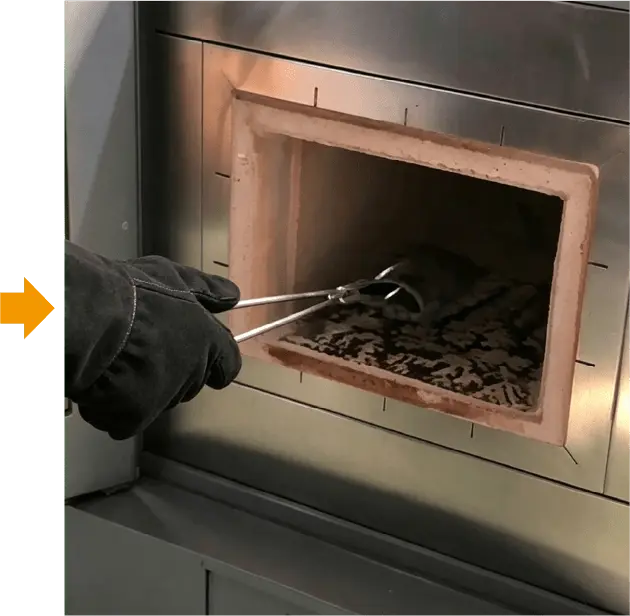

Observations After Furnace Removal
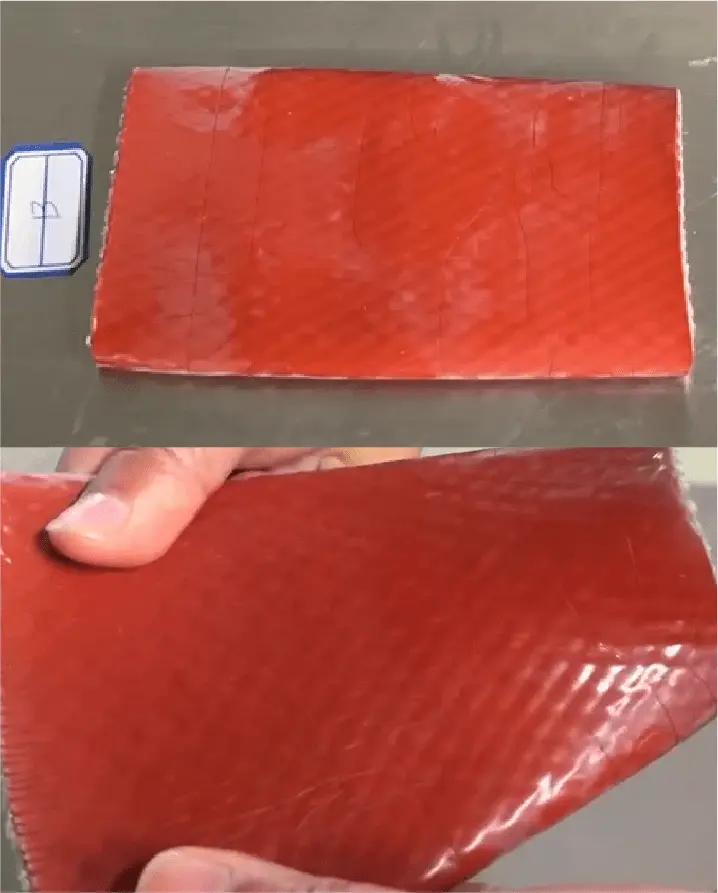
HANTAI Firesleeve
Visible micro-cracks only
Coating remained intact and adhered
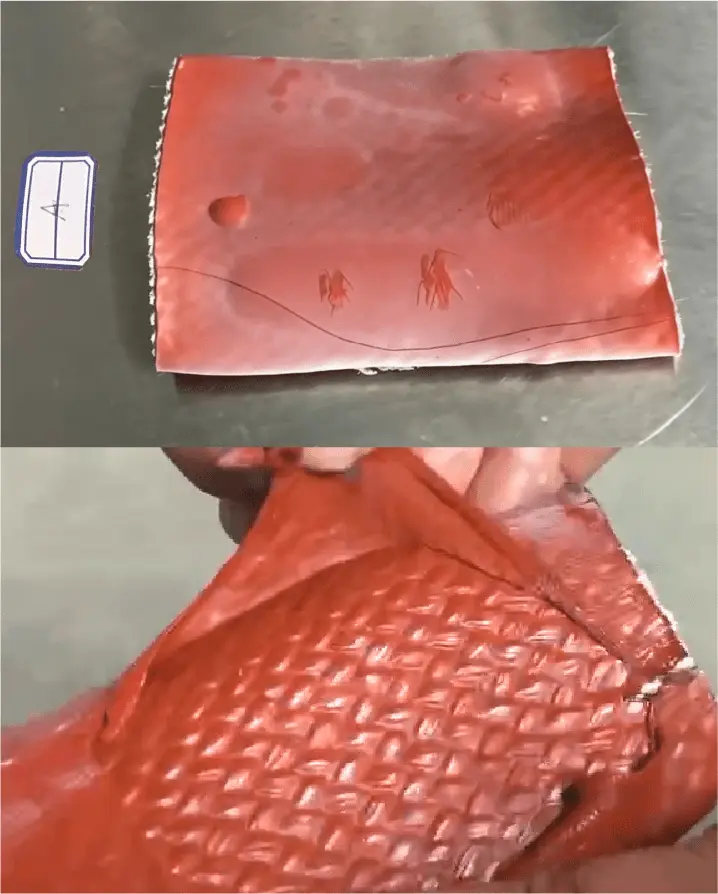
Market Firesleeve
Visible cracks
Bubbles, revealing clear layer separation (delamination)

Tensile Strength Test After Cooling
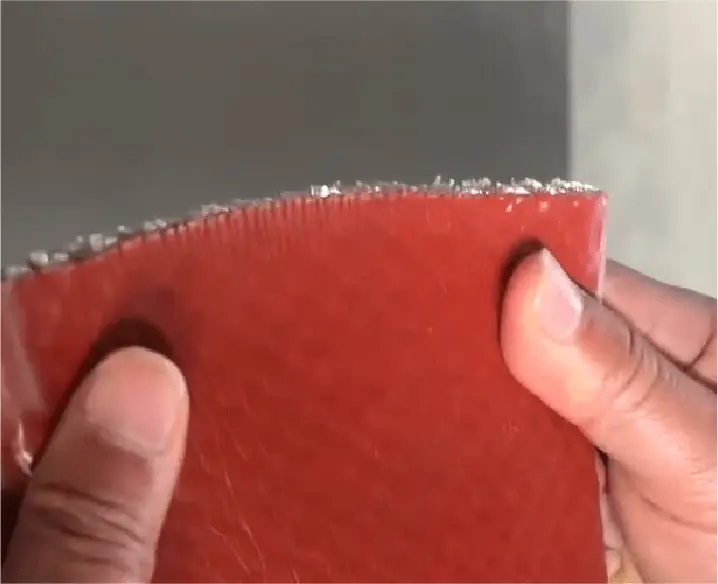
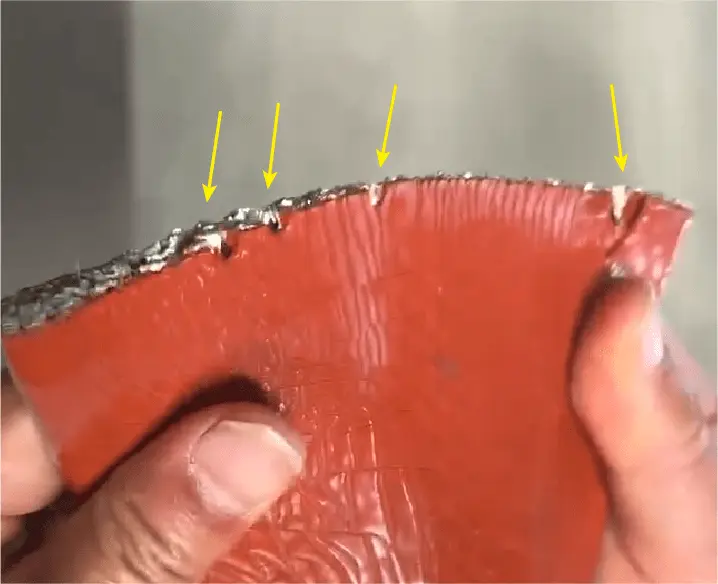
After the samples had cooled down slightly, they were torn by hand to evaluate their post-test tensile strength.
HANTAI Firesleeve
Fine crazing, tensile strength retained under tension
Market Firesleeve
Fine crazing, plus multiple notches at ends, visible delamination, and significantly reduced strength compared with HANTAI Firesleeve
The evidence is clear: Firesleeves may look the same on the shelf, but when exposed to high temperatures, their performance tells a very different story. These are not minor differences, they are the difference between reliable protection and preventable risk.
What’s Next?
To further evaluate the quality of silicone rubber coating, we will conduct another test — Flame Exposure Test — comparing HANTAI Firesleeve and Market Firesleeve.
Please stay tuned with HANTAI.

At HANTAI, we don’t cut corners on what matters. Our proprietary silicone formulations, rigorous in-house testing, and international certifications (such as DIN5510-2, EN45545-2, MSHA, UL94 V-0, UL1441 VW-1) are our promise to you: performance you can trust, every time, in every meter.
Because when the heat is on, compromise is not an option.
Choose HANTAI. Choose confidence.